

Heat, downpours and glare: the hidden dangers of summer for motorists
03.07.2026
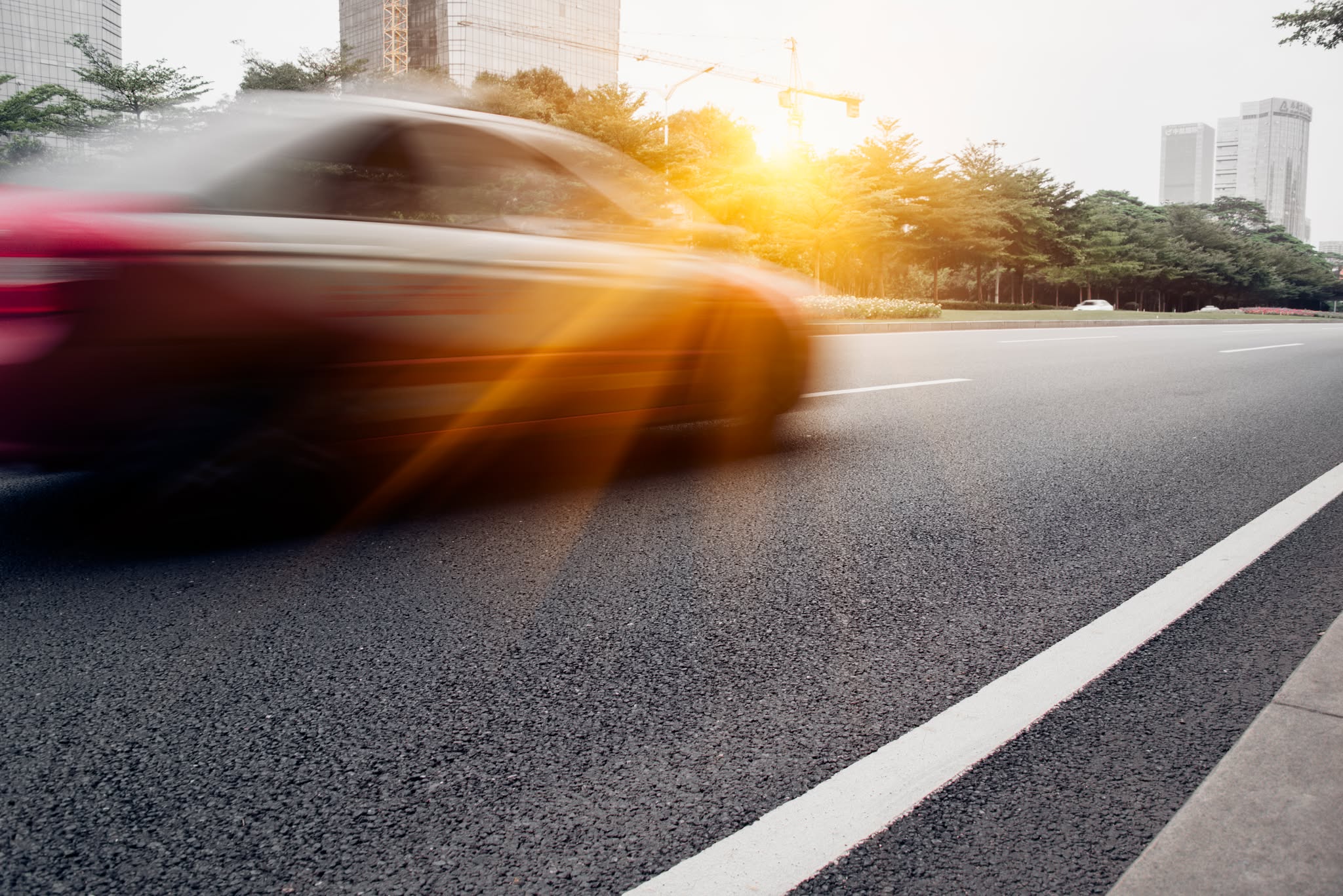
Summer journeys are often associated with carefree fun, open roads and long-awaited holidays. The reality of driving in July or August usually turns out to be much harsher than expected. Scorching tarmac, sudden thunderstorms and blinding sunshine turn a familiar route into a serious challenge. A comfortable journey can turn into an emergency at any moment if the driver ignores subtle changes in the car’s behaviour and their own physical condition.
A sauna in the cabin and hidden ‘intoxication’
When the temperature inside the car rises above +27°C, the body begins to operate in extreme conditions. Studies have identified an alarming pattern: under such conditions, a driver’s reaction time decreases by 22%. This state is equivalent to mild alcohol intoxication, although the person may still feel confident in their abilities. Dehydration creeps up unnoticed, dulling alertness and causing sudden drowsiness.
The situation is compounded by changes in the vehicle’s technical performance. Hot road surfaces and overheated brake pads result in braking distances increasing by an average of 15–20% . Safe driving requires an immediate adjustment to your driving style.
Important tips:
- Before long journeys, check your tyre pressures (heat causes them to rise above normal levels) and regularly check the condition of your brake fluid.
- Brake smoothly and well in advance to compensate for the increased braking distance caused by hot tarmac and overheated brake pads.
- Keep drinking water at room temperature in the car — sugary fizzy drinks only make dehydration and thirst worse.
- At the first signs of tiredness or loss of concentration, pull over, do a few simple mental exercises or put on some uplifting music.
When the road turns into a waterlogged track
Summer storms often strike suddenly in the form of heavy downpours that instantly flood the roads. The main danger lies in the formation of a film of water between the road surface and the tyre. —one of the greatest dangers facing drivers on the road. This is when the car practically floats above the road, the tyres lose direct grip with the tarmac, and the vehicle instantly becomes uncontrollable. In the event of —such as suddenly driving into a deep puddle or a water-filled rut—the vehicle may spin out sharply.
The key to avoiding skidding is to keep your movements as smooth as possible. Abrupt steering movements during heavy rain are unacceptable, as they only lead to a complete loss of control. If heavy downpours causing street flooding are common in your area, we also recommend considering rain tyres. Their tread features wide grooves, the profile and shape of which are designed to drain large amounts of water.
Important tips:
- Where possible, drive round puddles or drive through them at the slowest possible speed.
- Avoid sudden manoeuvres and sharp braking in puddles — all actions whilst driving in the rain should be as smooth as possible.
- If visibility deteriorates significantly or there is a severe storm, pull off the road into a safe car park or under a petrol station canopy and wait out the bad weather.
Glasses and climate control: how to avoid being dazzled and falling ill
Bright sunlight and glare from wet tarmac place a significant strain on the driver’s eyes. Standard tinted windows won’t help here, as they are unable to block horizontal light rays. Polarised lenses with a grey, green or brown tint help to protect your eyesight and ensure clear visibility during daytime journeys. When buying this accessory, it’s worth choosing durable polycarbonate. In the event of a crash, it won’t shatter into dangerous shards.
Attempting to cool down a sweltering car interior quickly also harbours a hidden danger. A sudden temperature difference between the street and the car instantly takes a toll on your immune system. Instead of the desired comfort, the driver risks catching a cold, bronchitis or an ear infection. There is also a risk of developing a form of pneumonia linked to air conditioning, known as Legionnaires’ disease, which is caused by bacteria in a dirty air conditioning system.
Important tips:
- For summer journeys, choose sunglasses with polarised lenses (grey or brown) made from impact-resistant polycarbonate.
- To get rid of any residual hot air more quickly after parking, open all the windows and start driving at a low speed.
- When using the air conditioning, cool the cabin gradually, avoid direct jets of cold air on your body, and regularly disinfect the car’s air conditioning system.
Action plan for a safe summer
A clear checklist of actions before every journey helps to minimise seasonal risks. Regular maintenance of your vehicle will protect it from sudden breakdowns at the most critical moment of your journey. The key to safety remains an accurate assessment of your own condition, avoiding rushing, and being cautious. A car in good working order and careful driving ensure that your summer trip will leave you with nothing but pleasant memories.
However, even the most experienced driver can encounter unforeseen situations on the road — ranging from a sudden hailstorm damaging the bodywork to more serious incidents caused by bad weather or the mistakes of other road users. Reliable insurance cover will act as a true shield of financial security for you and your car. Compulsory third-party motor insurance (MTPL) will cover your liability towards others, whilst voluntary car insurance (CASCO) guarantees compensation for losses in the event of the vagaries of summer weather, natural disasters or road traffic accidents. Make sure you sort out your insurance in advance so you can enjoy every summer kilometre with complete peace of mind!