

The car owner’s October checklist: three things to sort out before the cold weather sets in
23.10.2026
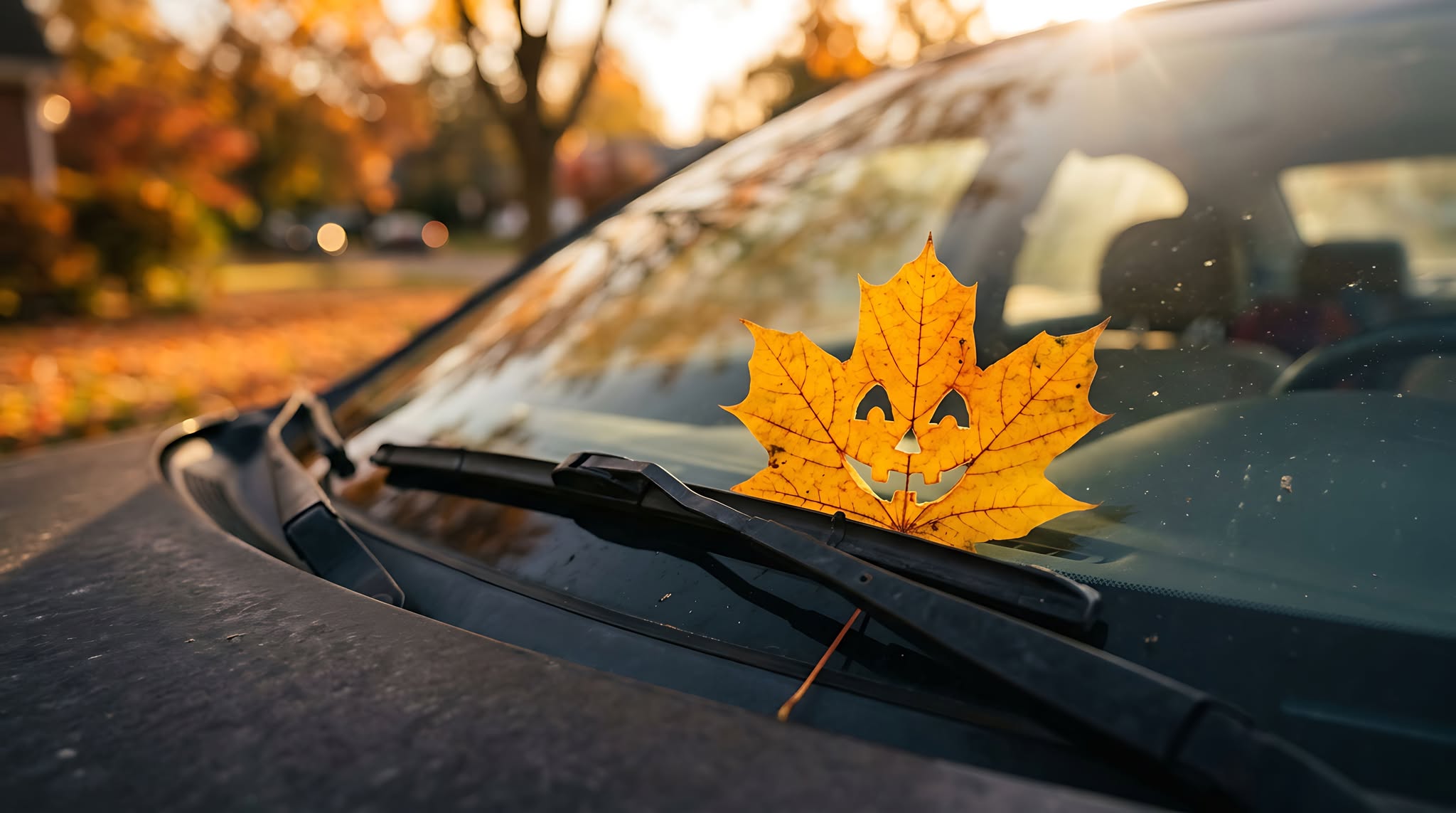
The end of October demands that drivers be doubly prepared. On the one hand, nature takes its course: daylight hours are rapidly shortening, and the first frosts are appearing in the mornings. On the other, enemy shelling could at any moment cause power cuts and disruptions to communications and mobile internet. We’ve put together three key tasks for October that will help you face the cold weather without unnecessary stress.
Autumn car preparation is usually associated with replacing windscreen wipers or topping up the windscreen washer fluid. These are useful little things, but true safety during the off-season rests on three pillars: the driver’s alertness, reliable road grip and having the necessary documents to hand.
Biological rhythms and twilight: how to cope with the switch to winter time behind the wheel
Setting the clocks back an hour on the last Sunday in October gives you an extra hour’s sleep at the weekend, but creates a serious pitfall on weekdays. The first two weeks after the time change are traditionally accompanied by a spike in accidents, as the evening rush hour is instantly plunged into darkness. Due to disrupted circadian rhythms, the body reacts to the earlier night with rapid fatigue and slower reaction times. To ease this stress, start adjusting your schedule a few days before the change, shifting your bedtime by 15–20 minutes each evening.
At the same time, it’s worth adjusting your evening driving habits. Before leaving work, don’t get behind the wheel on ‘autopilot’ — five minutes of fresh air will help your brain switch its focus to the road. Be sure to check your headlights, clean the inside of your windscreen to remove any invisible grime that causes severe glare at night, and switch the brightness of the in-car screens to night mode. And in the first few days after the clocks change, make a conscious effort to increase your following distance and reduce your speed, as other road users are also still getting used to the earlier dusk.
The ‘+7’ rule: why you shouldn’t wait for the first snow to change your tyres
Many drivers put off visiting a tyre fitting centre until the first snowfall or sustained frosts, believing that summer tyres are perfectly safe to use on dry tarmac. However, the laws of physics are unforgiving: a summer tyre loses its performance characteristics as soon as the average daily temperature drops to +7 degrees. On a cold road surface, their hard compound stiffens and begins to slip, much like plastic. Even on tarmac damp from the morning mist, the braking distance increases significantly. So the main indicator for booking a service in October is the thermometer, not the calendar.
Changing your tyres in good time will also save you from hours of queuing on the day the first black ice appears. Before fitting your winter tyres, check their condition: the tread depth must be at least 4 millimetres, otherwise the tyre won’t clear slush and water, and there must be no cracks or bulges on the sidewalls. Be sure to have your wheels balanced at a service centre and check the tyre pressure regularly thereafter, as it naturally drops as the weather gets colder. And drive the first 200–300 kilometres gently without any sudden manoeuvres, so that the tyres settle properly onto the rims and you get used to the softer steering response.
Power cut preparedness: why you should keep offline and paper copies of your digital insurance policies
We’ve got used to having our driving licence and insurance documents always to hand on our smartphones. However, the autumn and winter season brings the risk of power cuts. During power cuts, mobile network operators’ base stations become overloaded, mobile internet disappears, and on country roads the network often fails even on normal days. If even a minor road traffic accident occurs in such a ‘dead zone’, or if the police check your documents, you won’t be able to access your policy via email or your online account. Therefore, download PDF files of your current third-party liability and comprehensive motor insurance policies directly to your phone’s memory in a separate folder.
An even more reliable solution is to keep paper copies of your policies in the glove compartment. A sheet of paper won’t run out of power in the cold and isn’t dependent on mobile signal. Along with your printed insurance policies, you should carry a paper copy of the Europrotocol form and a standard pen: if the electronic system is unavailable due to a lack of network coverage, the paper version will save you from having to wait for hours for a patrol in the cold. Also, save your insurer’s helpline numbers in your contacts in advance — you won’t be able to look them up online without an internet connection, whereas voice calls work even with a weak signal.
During your October document review, be sure to check the expiry dates of your insurance policies and don’t forget to renew your third-party liability and comprehensive insurance policies (CASCO) in good time. Incidentally, at Euroins, CASCO is being expanded to reflect current realities: the policy now includes protection against war risks, meaning compensation for damage to your car caused by drones, missiles or falling debris from them. Take out reliable CASCO cover on the Euroins website and face the winter with confidence!